before we had language for it
On family wounds, inherited patterns, and the grace that meets us as we begin to understand them.

Dear one. This post touches on abuse and addiction, and the way those wounds ripple through a family. If that’s part of your story too, I hold you with care as you read.
— ✦ —
I’ve already shared here that Daniel and I are living with my mother - a practical step after our previous situation became unsustainable, and one that also supports my mom, Lynda, who has Alzheimer’s and dementia and is no longer able to live on her own. The parallel here isn’t lost on me: I’m releasing my independence temporarily, while she’s losing hers indefinitely. And as her daughter and caregiver, I feel it up close, the way we both bristle and wrestle in the doing of it.
I think there comes a time in every adult child’s life when, through awareness, circumstance, or some kind of unraveling, they begin to see their parent not just as Mom or Dad, but as a whole person. They revisit the fragments they know of their parents’ childhood - their wounds and loyalties, how they loved, how they fought, the partner they chose - and slowly, insight begins to form about why their parents showed up the way they did… or still do.
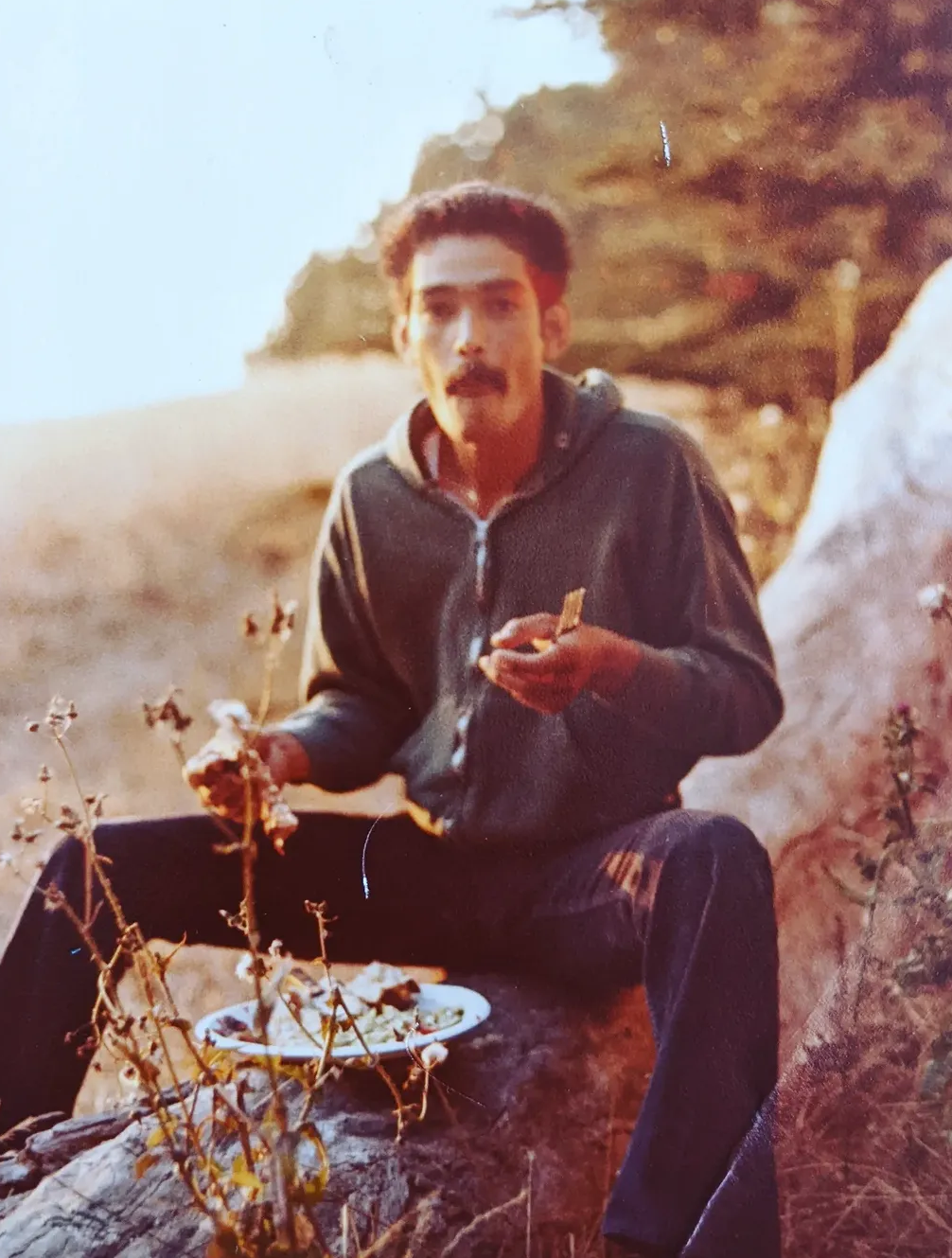
This was easier for me to see with my dad, who grew up in an abusive environment so pervasive it seemed to seep into everything, including the addiction that took hold in his late teens and never fully let him go. He had other children with other women, drifted in and out of jobs, and lived mostly on his own terms. My relationship with him was… complicated at best, and our time together limited; I suspect because he kept himself unencumbered by relationships that asked for more than he was capable of or knew how to give.
My mother’s story runs parallel to my dad’s in some ways, though the addiction was not her own. Her mother - my grandmother - was an alcoholic, a binge drinker whose drinking escalated during my grandfather’s Navy deployments. There were times it grew so chaotic that CPS removed the children from the home and placed them in foster care until my grandfather returned and brought them back, a cycle that repeated itself more than once.
Recently, I’ve found myself wondering why my mom’s dad kept bringing the kids back home, why he didn’t make different arrangements for them, ones that would have been safer or steadier. Maybe he didn’t know how. Maybe he was ashamed. Maybe my grandmother made promises she meant in the moment but couldn’t keep. Maybe he, too, was navigating wounds handed down from his own family.
Without revealing stories that don’t belong to me, I can say that none of the children escaped untouched. The wounds ran deep, which was evident in how they showed up in their lives; in how they related to their significant others, their children. And my grandmother’s story, too, began in abuse and emotional injury handed down from her own mother.
As such, I’ve come to believe that the enemy is often most strategic, generationally speaking, when he reaches us while we’re small and vulnerable, when we still trust and even love the very ones who wound us.
“Be alert and of sober mind. Your enemy, the devil, prowls around like a roaring lion looking for someone to devour.”
1 Peter 5:8
It’s those first six words that I always stumble over because, honestly, how alert and sober-minded can a child possibly be?
I was in my mid-20s when I began to experience Lynda not simply as my mother, but as a woman in her own right, with her own thoughts and loves and struggles, navigating wounds that had begun long before I came along. I started to see how my inability to understand her shaped the way I interpreted how she showed up; with me, with my dad, within her life.
Growing up, I was on my own a lot, and by “on my own,” I mean often without her. Full-time work and night classes meant she wasn’t home much, and when she was, she was often emotionally distant and quiet. Most days, our interactions went no further than the basic check-in of, “How are you? How was school? Did you do your homework? Chores?” We ate out most nights because she was too tired to cook. She didn’t date (not that there’s anything wrong with being single - hello, woman who’s decided to stay single over here), and I don’t remember her regularly spending time with girlfriends either. Both of those things strike me now as odd and somewhat sad.
And being an only child, often left to my own devices by a mother whose own wounding left little room to truly know the daughter she shaped, created a particular loneliness that didn’t harden me; it trained me. I became independent, yes…but more than that, I became accommodating. Attuned. A pleaser. I learned to read her moods, to ask little, to need less, to make myself easy to love so that I wouldn’t be easily discarded.
When my sons began to think about dating, I wanted to offer them a woman’s perspective. I found myself telling them something I had come to understand through a growing awareness of my own story. I told them: you’re never just dating a girl. You’re dating her story; her history, the way her parents loved her or failed to, the way they treated each other, the wounds she carries, the patterns she’s learned. You’re stepping into everything that shaped who she is right now, long before you arrived.
I wanted them to understand that the way a girl has been loved before you matters. That carelessness can reopen wounds you didn’t create but may still be asked to carry. That tenderness matters. And perhaps, if I’m being honest, I was still trying to protect the heart of the girl I once was — the one who believed she had to be easy to love to be asked to stay.
Michael and I were part of a marriage ministry for over six years. During that time, several relational truths came to light, not only in our own marriage but in countless others we walked alongside. One of the most eye-opening was this: You go with what you know.
In other words, if a couple is willing to take a deep dive into who they were before they ever met, they will almost always uncover familiar patterns; similarities in upbringing, attachment, conflict, affection — threads that drew them toward one another in the first place.
And so, it’s no surprise that, given the parallels in their childhoods, George and Lynda married each other. It’s no surprise that I married Jeff and then Michael, given my parallels to theirs.
Often, what feels like the beautiful destiny our hearts long for is simply familiarity. What feels like soulmates can, at times, be woundedness recognizing itself. Sometimes, it’s less “I’ve found my person” and more “misery loves company.”
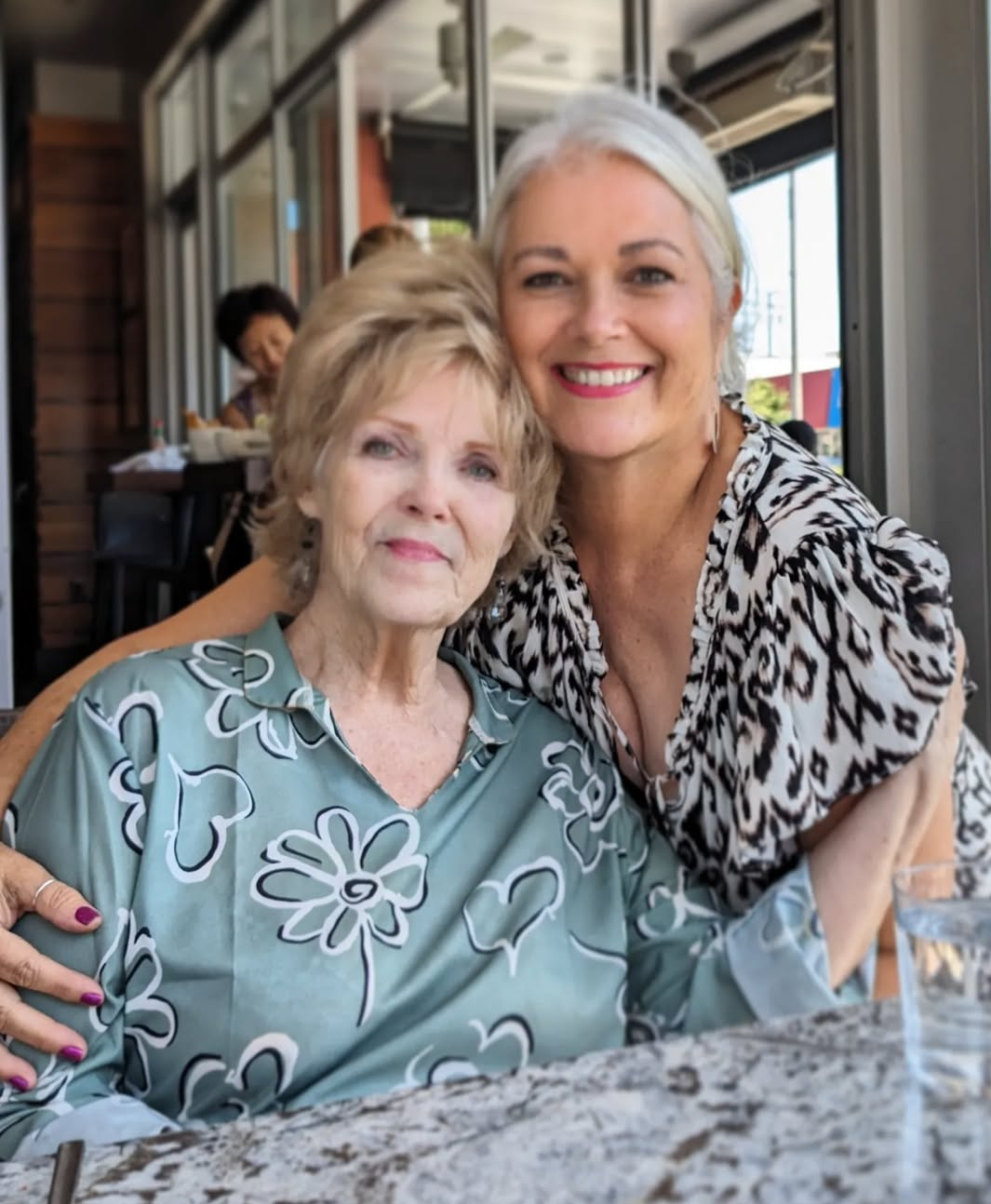
I don’t know if there will ever be a neat resolution to this part of my story. My mother’s mind and autonomy are shifting in ways neither of us can control. And so here we are, two women shaped by stories neither of us chose, sharing space in a season neither of us expected.
The patterns that formed us are easier for me to see now — the familiarity, the wounds, the way our destinies were formed long before we had language for any of it, and the ways we each learned to harden in order to survive it. My dad carried his own version of that hardness. My mother carries hers still. And for a long time, I carried mine too — something like a thin layer of petrified wood over the softer parts of my heart. Protective, yes, but hard just the same.
Still, I can’t erase what shaped me. I can’t rewrite what shaped her. But I can become more aware of what I carry, and more intentional about what I pass on to my sons.
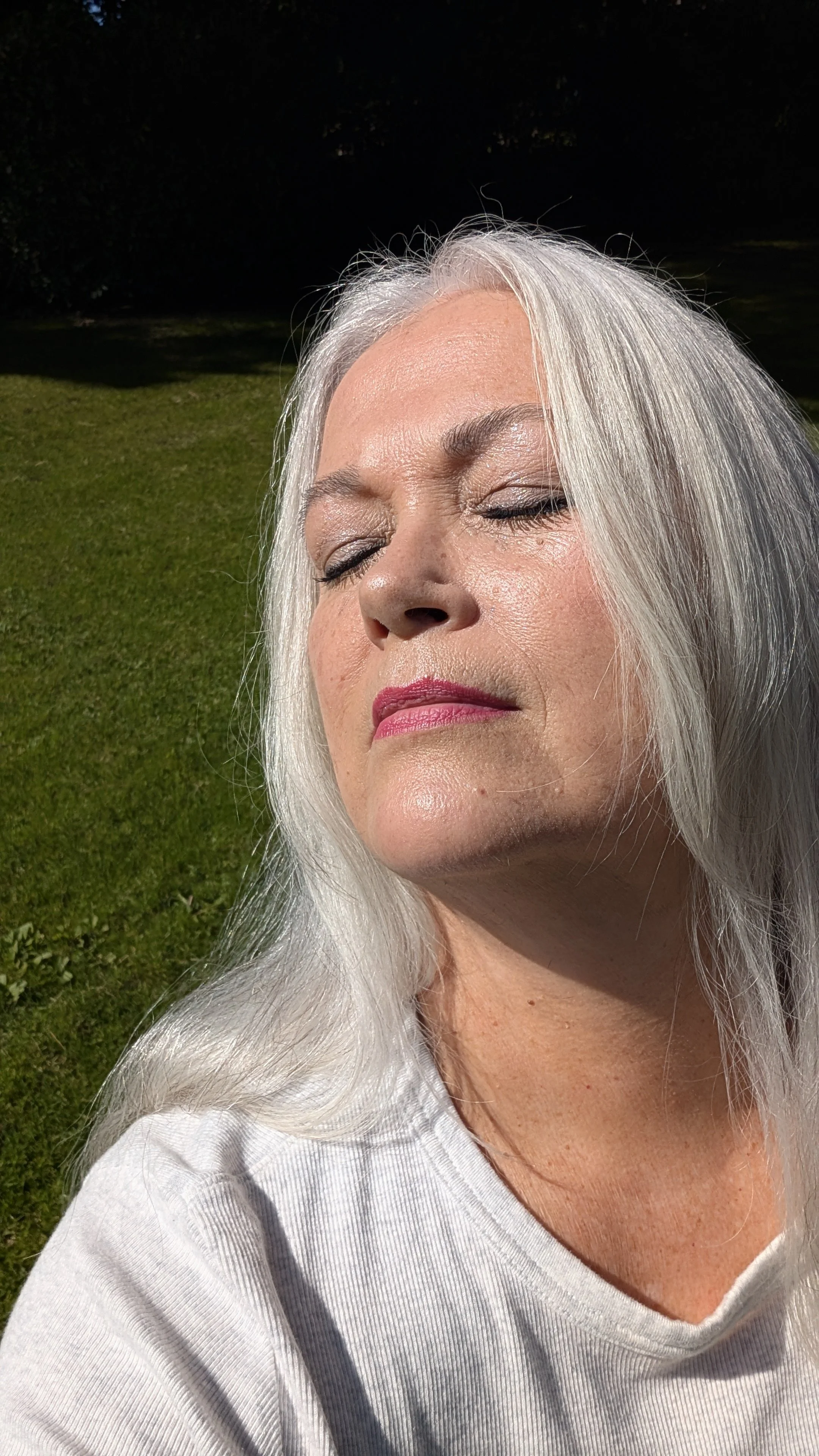
While I wait, while I continue to heal and shift and grow, I’ll lift my face fully toward the Son and feel the warmth of His light as it moves through me. For now, the wrestling remains. So does the grace. And right now, that is enough.
“Whoever dwells in the shelter of the Most High will rest in the shadow of the Almighty. He will cover you with his feathers, and under his wings you will find refuge.”
Psalm 91:1,4